Our Vision
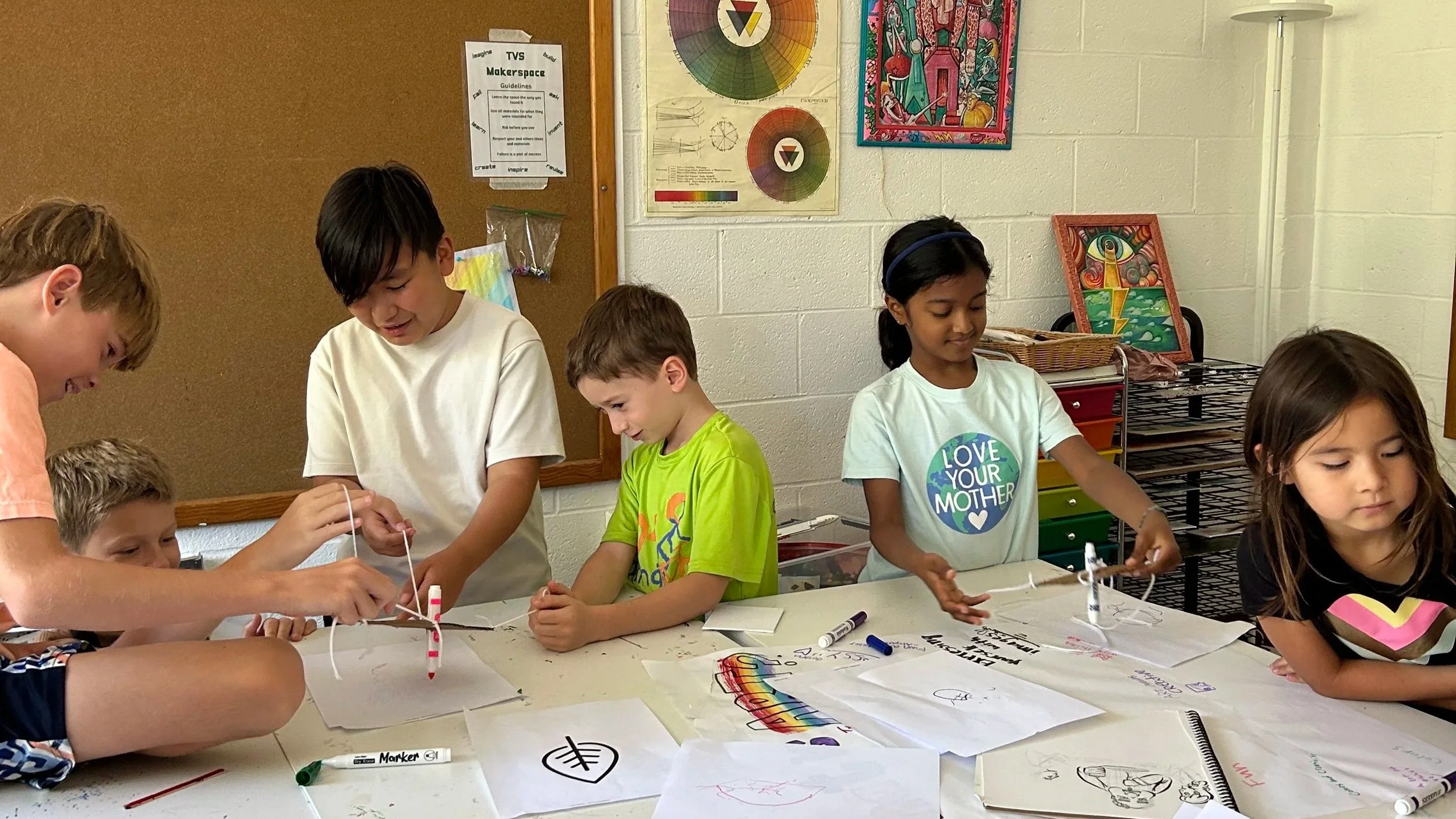
The Village School is a community where belonging and curiosity thrive, and every voice is valued. We empower young people to find joy in learning, develop self-direction, strong character, and endless creativity to equip them to learn about themselves in order to shape a better future.
Our Mission
Our mission is to give children agency in their learning. By changing the student’s role from passive consumers of knowledge to architects of their own learning, we are empowering them to discover themselves and, in turn, what authentically human skills and traits they can contribute to the world.
Our Model
Harvard professor and founding member of Project Zero, David Perkins posed the question: What’s worth learning in school ten years ago during the release of his book, Futurewise: Educating Children in a Changing World. His question is relevant still, as we navigate a world with AI - what’s worth learning in school now?
What’s worth learning about at The Village School? Yourself.
The belief that who a young person becomes is more important than what they know is what our school was founded on over eight years ago, and in the age of AI, we’re taking the opportunity to recommit to our school mission: to allow young people to be architects of their own learning, empowering them to discover themselves, and in turn, what authentically human skills they can contribute to the world. AI or not - our mission will not change. Our approach is grounded in what we call Humentic™ Learning: human+authentic.
Humentic skills are those that AI can never replace, prioritizing self discovery and character development as essential learning outcomes of a school experience of today and the future.
So, how does The Village School deliver on Humentic learning? We frame all of our learning experiences around humanity, humility, and hustle.
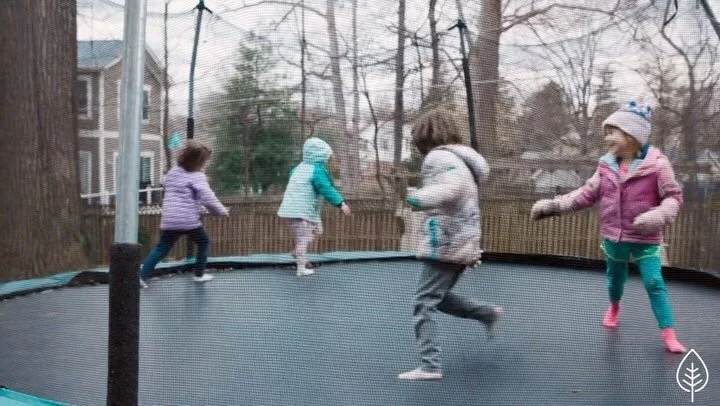
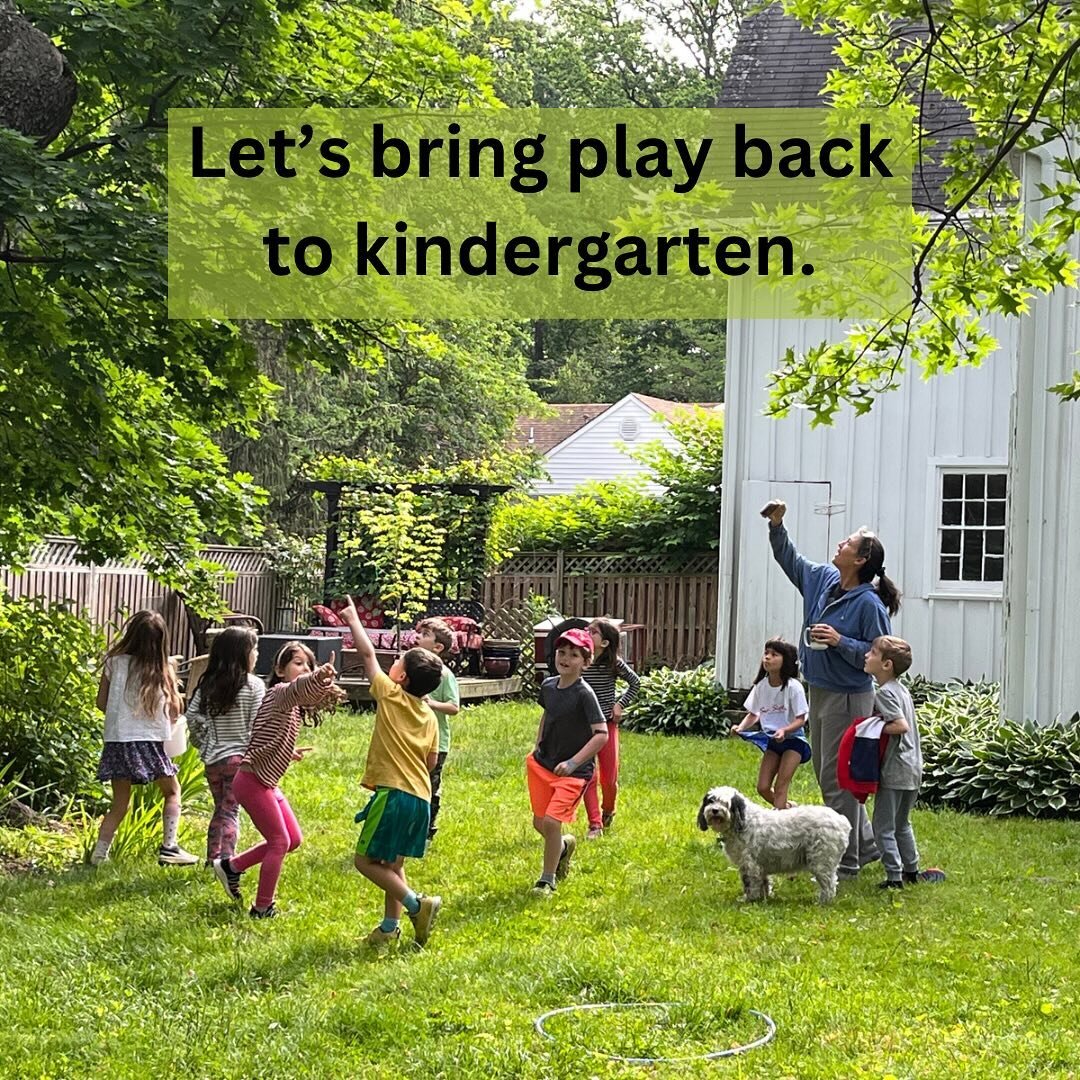
Humanity (our shared human connection and compassion): People learn best when they feel valued, trusted, and respected. Schools must foster a sense of belonging and this goes beyond simply hanging up an inspirational poster. Nurturing positive relationships between young people and each other AND young people and themselves must be a chief goal of schooling for the future. In a world polarized by difference, schools must create a space where young people can learn from each other, with each other and learn to live together. Relationships can be built through the open exploration of unstructured play, socratic discussion, intentional language, a culture of curiosity and so much more.
Humility (honest self-assessment & modesty): We don’t learn from experience, we learn from reflecting on experience - John Dewey built his reputation on this sentiment back at the turn of the twentieth century. It’s more relevant now than ever. Reflection should be prioritized alongside lifeworthy skills like reading and math. Opportunities for young people to answer questions such as: What did I learn? How did I learn it? What would I do differently or the same if I had to do this again? What advice would I give others attempting the same thing? What are my strengths and what areas might I focus on in order to grow? There are many learner-centered approaches that educators can use to foster a culture of reflection including: Thinking Routines, Student-led conferences, Portfolio defenses, and Exhibitions of Learning.
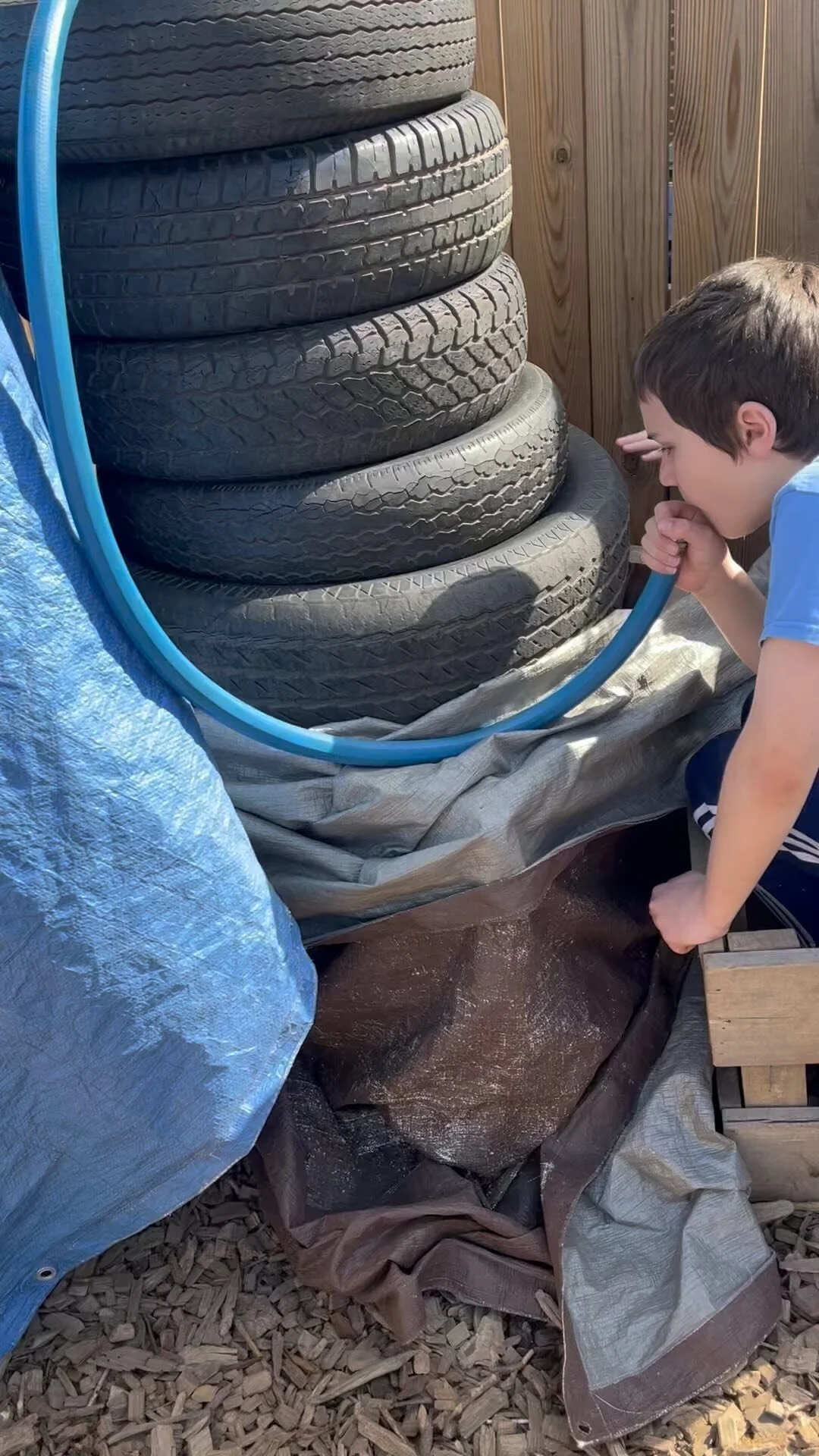
Hustle (hard work in the real world): In order for learners to have anything to reflect upon, they need real experiences, not simulations or artificial ones. Experiences in “school” must be open walled. Transformational learning occurs in applied contexts with other humans in the real world. Young people need to be consulting with experts and professionals, job-shadowing, creating products for real-world audiences, and working on solving problems that make their community and the world a better place.
A Humentic education doesn’t mean we abandon AI or technology, rather it means we’re keeping our humanity at the forefront in the name of a better future. During a discussion of his new book, Mastery, Tony Wagner recently stated, “In today’s world, knowing yourself is your competitive advantage, and we agree. A book published in 1989, titled, Information Anxiety, shares some eye-opening (or anxiety inducing) stats. For example: A weekday edition of The New York Times contains more information than the average person would have come across in their entire lifetime if they lived in seventeenth century England. And, more information was produced in the last thirty years than in the last 5,000 years combined. Need I remind you, these figures are 35 years old.
Fast forward to the present day: more data is now created in just two days than existed in the entire world before 2003 (thanks to AI for the assist in updating these stats). In a world of overwhelming amounts of information - is content still worth learning in school?
Skeptics might worry that a focus on humentics might put students at a disadvantage in college, but we disagree. About 1 in every 4 college freshman drop out each year, suggesting the current approach isn’t working. We believe that young people who are in tune with their humanity, are grounded in humility, and learn to hustle are prepared not only for college, but for life.
The future is humentic. If you know yourself, you can learn anything.
Follow Our Journey
Lauren Quinn, Founder and Chair Emeritus

Lauren established The Village School in 2018 with a vision for a learner-centered community where children and families could flourish, drawing on her years as an educator and leader in various school settings. As Founding, she guided the school’s early growth, shaping its mission and culture with her family’s wholehearted support. Lauren is the mother of two children (both TVS Alumni) and holds a Master of Education from Marymount University and a BA from Villanova University.