
EXPERIENTIAL LEARNING
Real experiences make
problem-solvers.
Not test-takers.
We create learning experiences that are deeply human — hands-on, connection-driven, and grounded in the real world.
What’s worth learning in school? Experiences worth having. Skills worth keeping. A self worth knowing.
Inspired by Harvard Professor David Perkins
When children are guided this way, something shifts. They stop memorizing answers and start asking better questions. They stop being test-takers and start becoming problem-solvers.
At TVS, all of our learning experiences are framed around three core principles: Humanity, Humility, and Hustle. Together they form the foundation of what we call Humentic Learning™ — an approach built around who your child actually is, not who a system expects them to be.
People learn best when they feel valued, trusted, and respected. So we build learning experiences around human connection — through open-ended play, Socratic discussion, and a culture of curiosity that treats every question as worthy of exploration.
We don’t learn from experience. We learn from reflecting on experience. At TVS, reflection isn’t an afterthought — it’s a core practice. Our learners regularly ask: What did I learn? How did I learn it? What would I do differently? Where do I want to grow?
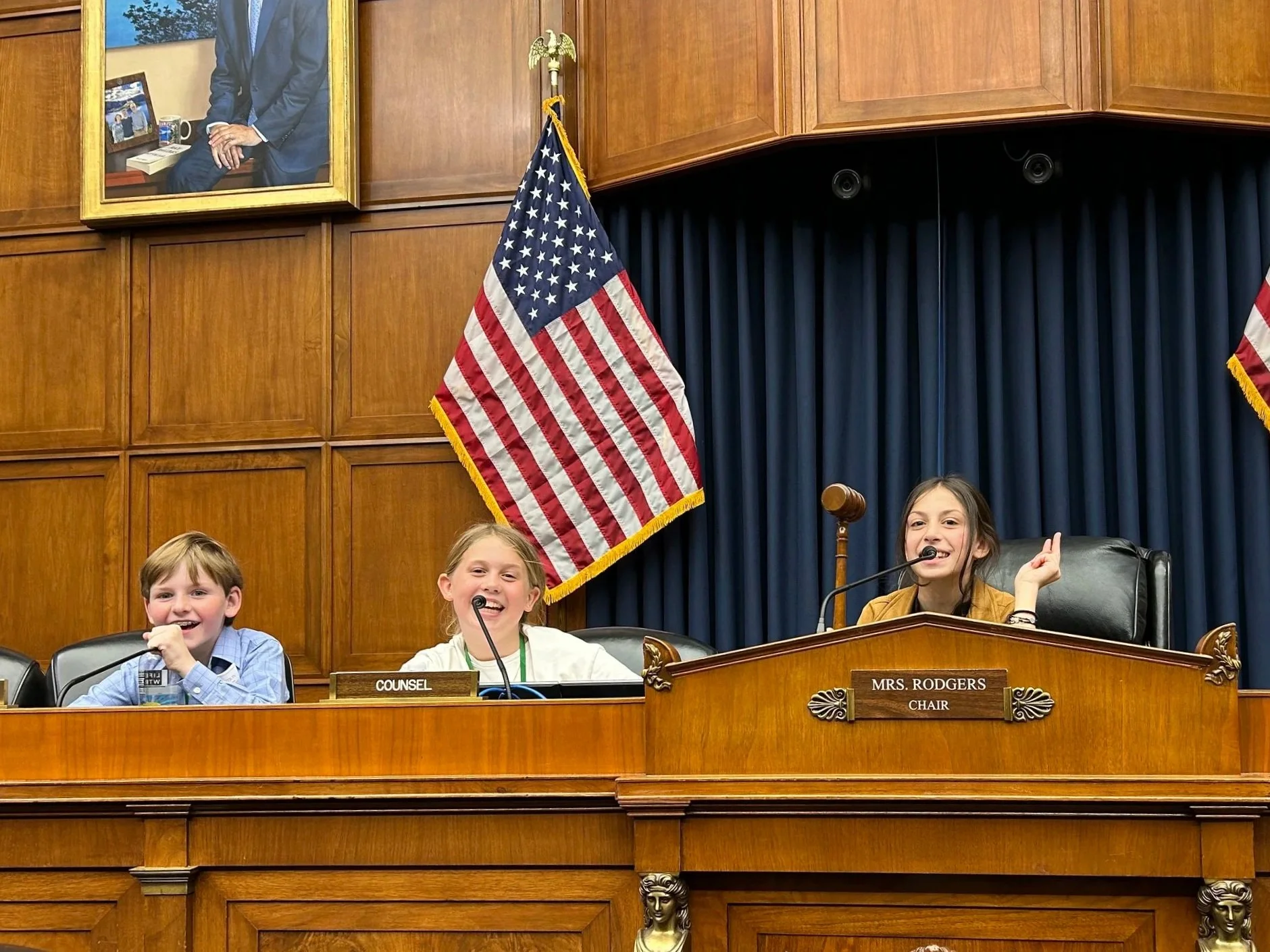
Our learners aren’t handed worksheets. They’re given real challenges, real responsibilities, and real audiences — consulting with entrepreneurs, financial advisors, and policy makers who bring the real world directly into their learning.
Learning that feels relevant because it is.
We design experiences that connect to real problems, real communities, and real stakes. In a world increasingly shaped by artificial intelligence and automation, the skills that matter most are deeply human ones: curiosity, collaboration, creativity, and the ability to navigate uncertainty. Those aren’t taught — they’re practiced. Every day.
Real challenges. Real responsibilities. Real audiences.
Our learners consult with entrepreneurs, financial advisors, policy makers, and other experts who bring the real world directly into the learning. They work on problems that matter to their community. And beginning in 6th grade, they take that a step further — entering the world beyond TVS to do the kind of work that leaves a mark.
Experiential learning is just one part of how TVS is uniquely designed. See how it connects to the rest of our approach.