
THE VILLAGE SCHOOL BLOG
Follow Along As We Blaze New Trails in Learning
New York, New York
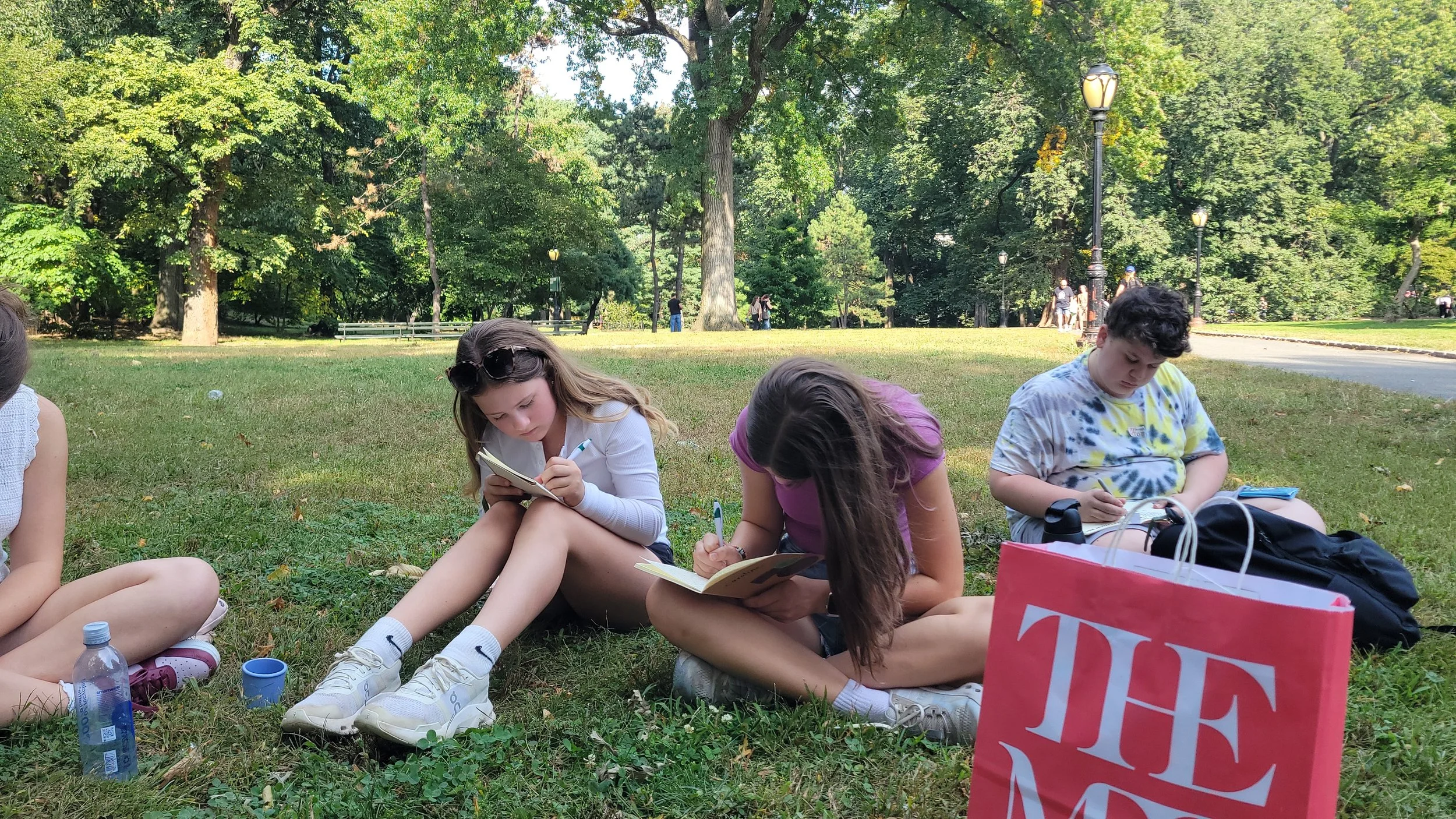
Amidst the chaos of NYC, the group shone brightly. As soon as we stepped off the train, the navigating began. The phone map was out, and we were wandering the big city, looking for our hotel, only mildly sleep-deprived. The roles fell into place naturally - the Navigator, the Scheduler, the Timekeeper, the ones along for the ride. Together, learners figured out subway tickets, adjusted the schedule on the fly, and wondered whether the food might indeed contain rats (spoiler alert: we did not eat rats… that we know of).
The Most Important Lesson of the First Weeks: You Matter Here.
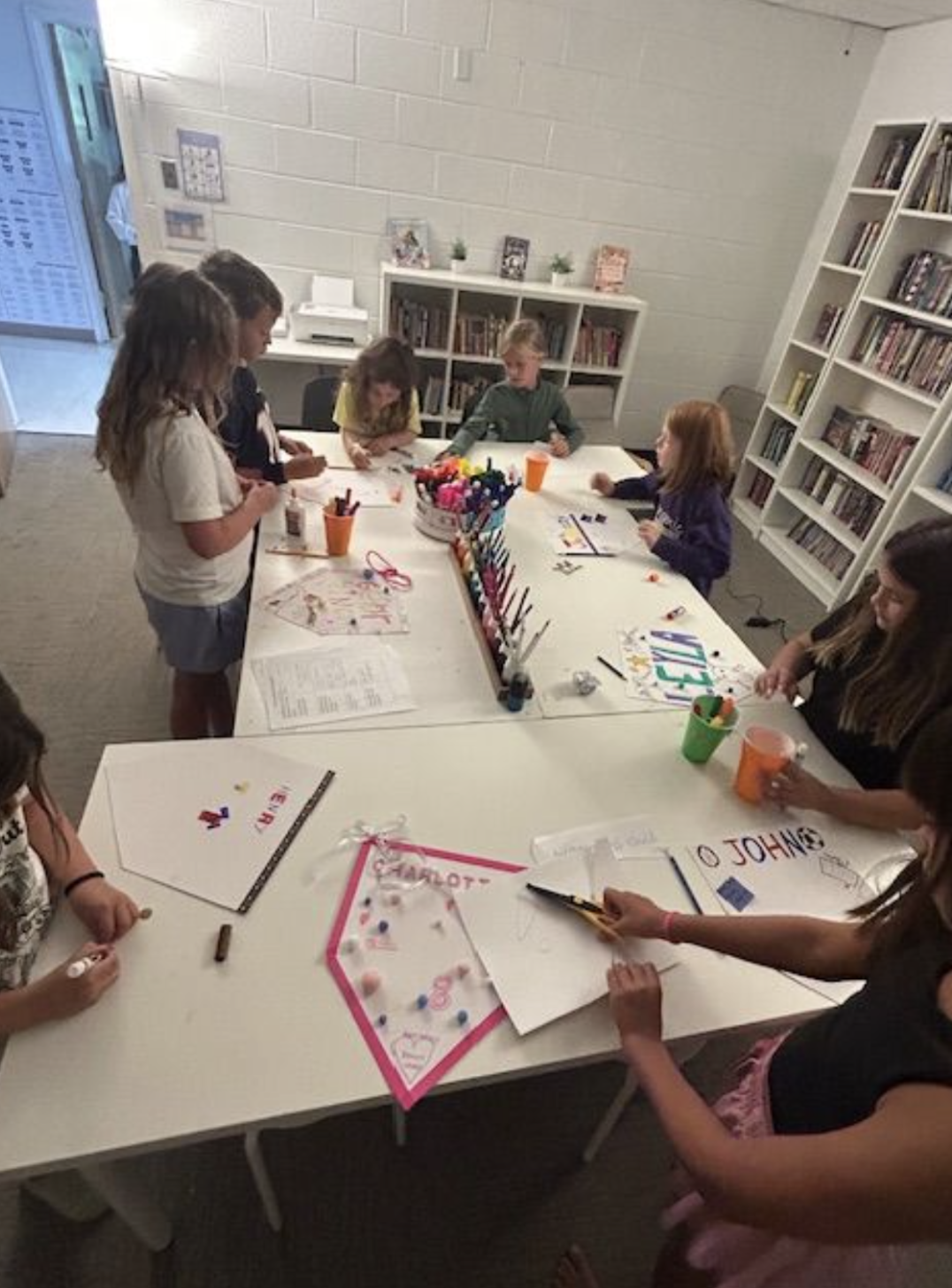
Here at TVS, we intentionally reserve the first few weeks of school for learners to “build the team” where they can take time to get to know each other, establish studio norms, and ease into the school year. It can be hard to slow down, but this time allows us to truly get to know one another. This builds trust and belonging, and it helps learners feel they matter.
Navigating Independence Through The Lens of our Youngest Learners
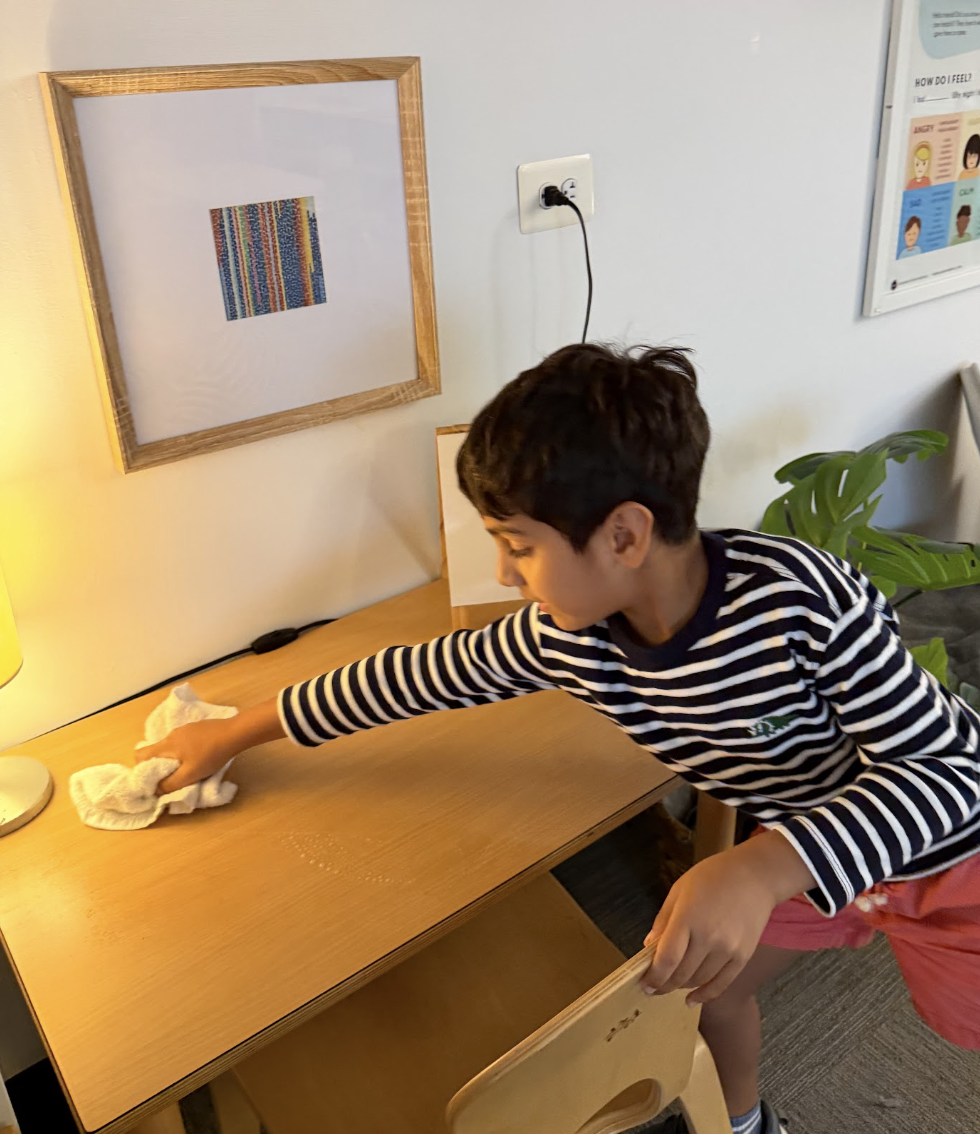
As educators, it can feel natural to help. When a child is struggling to open something, we want to open it for them. When two learners disagree, we want to solve the problem. When a learner becomes frustrated, we want to make the frustration disappear. Sometimes the most supportive thing we can do, however, is pause.
“Nerv-ited”
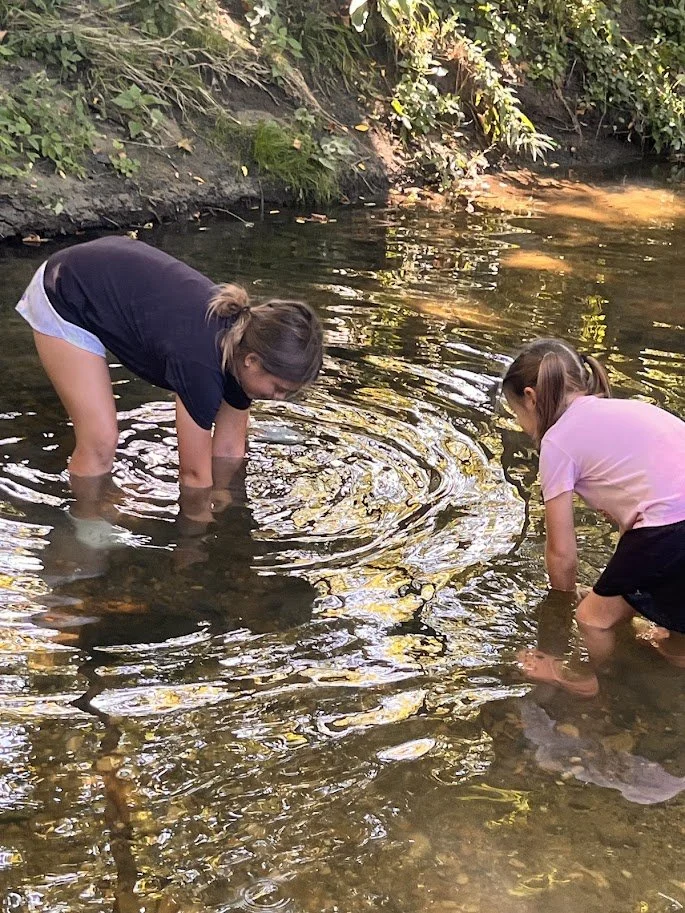
We all started this school year with a feeling of being “nerv-ited”. At The Village School, the feeling of “nerv-ited” will wear off as we build trust, friendships, culture, and community. We know that these things can only be built with the space to build them, without the answers from the guides, and instead the participation and engagement of each member of our community. We are so excited to see what the school year will bring.
Don't Rush the Journey. The Transformation Is Worth the Wait
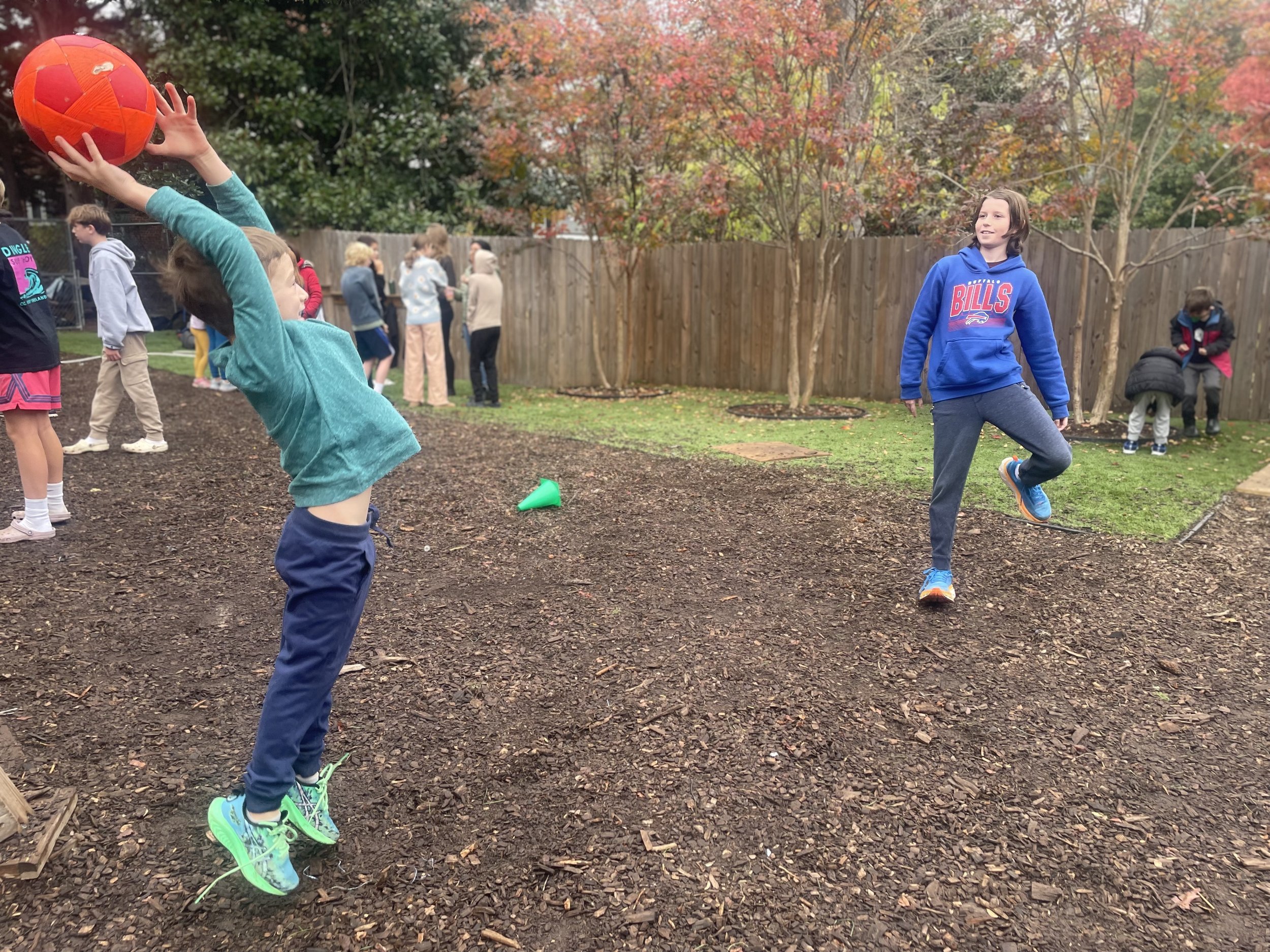
These first few weeks of school I’ve been thinking a lot about both our youngest and oldest learners. Between them this year holds a whole run of firsts and lasts…first and last first day of school at TVS, first and last journey review, first and last character rock…and the list goes on. Many of our eighth graders have been at The Village School for the majority of their school experience, and they've shaped our community just as much - if not more - than we've shaped them. When I pause to consider our youngest learners and imagine the transformation waiting for them, I'm in awe of…dare I say it: their journeys.
This is really difficult.
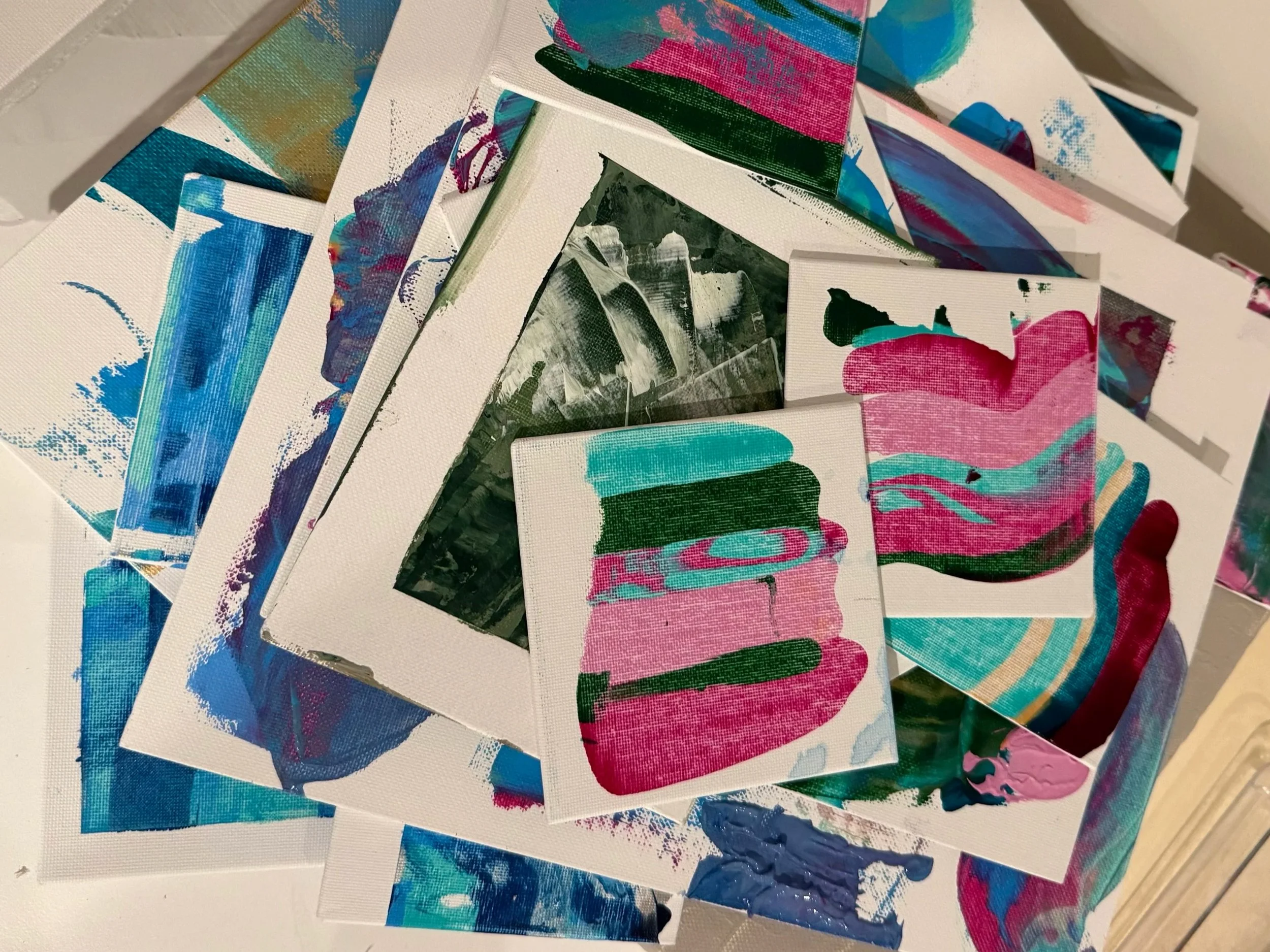
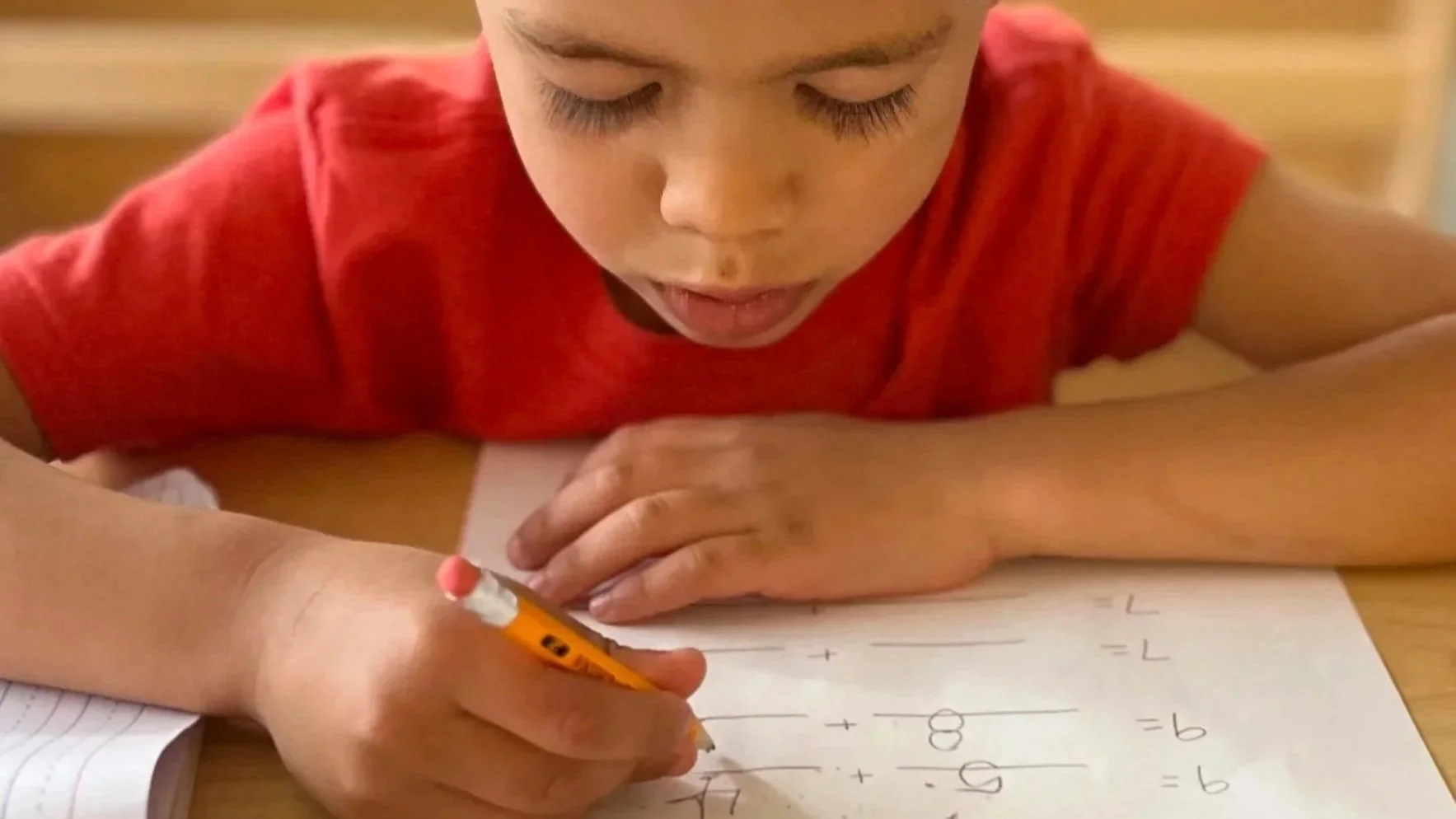
These past two weeks, watching our guide team meticulously plan and prepare for the school year, I was reminded again of the intention, the technique, and the time it takes to be an educator in a learner-driven environment. Every learning experience, every material choice, every guide's restraint in not stepping in is rooted in science, technique, and practice. Designing learning spaces around the way children are naturally wired to learn stands in stark contrast to arranging classrooms around what's easy to supervise. The scaffolding required to stand up a self-directed learning environment is intricate and hard-won.
A New Chapter for TVS
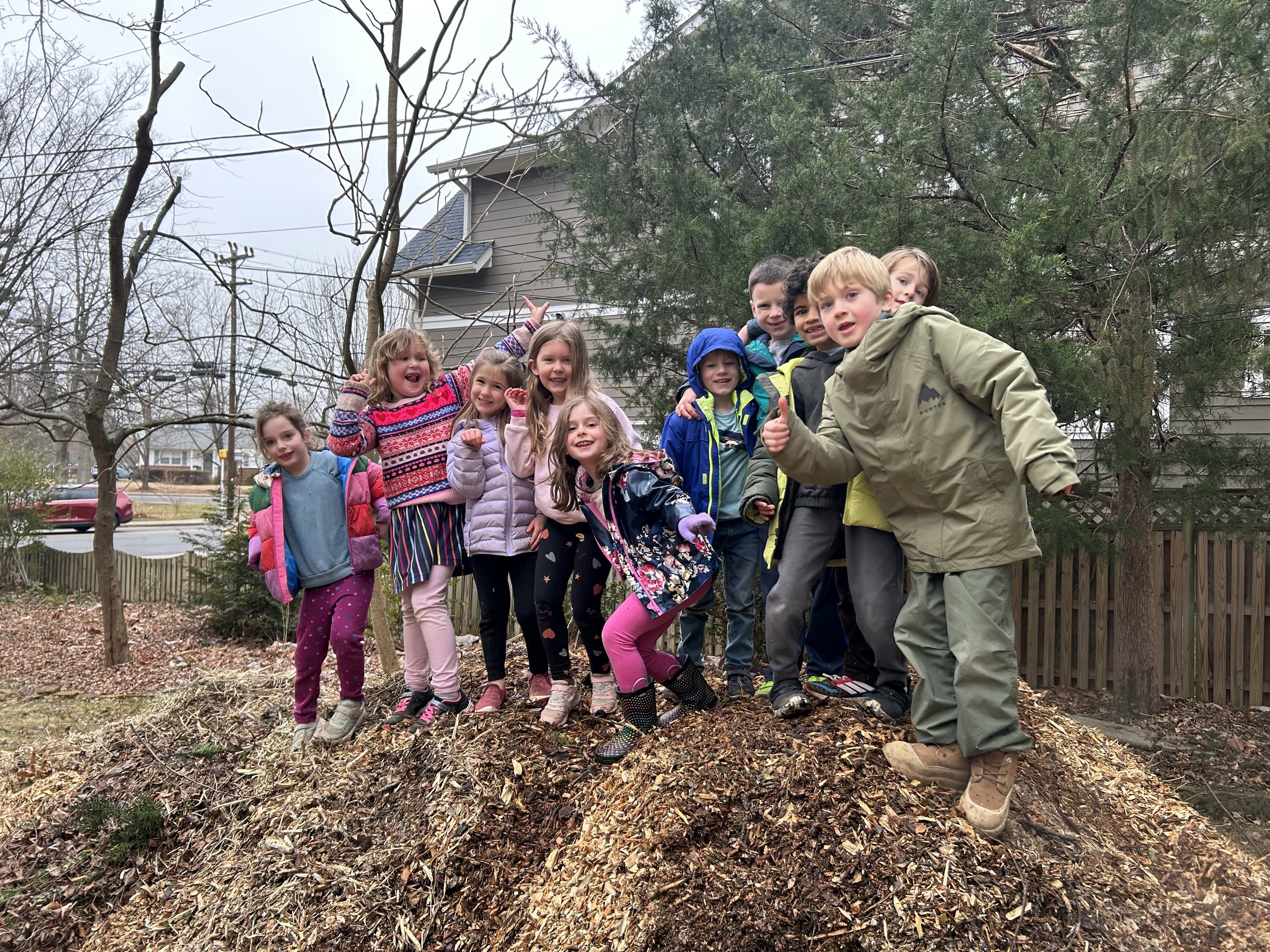
TVS is no different from the school down the street in its commitment to academics. We just do academics in a way that actually works. A way that develops a whole person. A research- and evidence-based way of producing learning that lasts. As TVS grows, and as we look toward opening the high school — one we fully intend to position as a college-preparatory program — it is time to own that story. Fully and without caveat.
“The Sounds of TVS” Podcast: What They’ll Remember
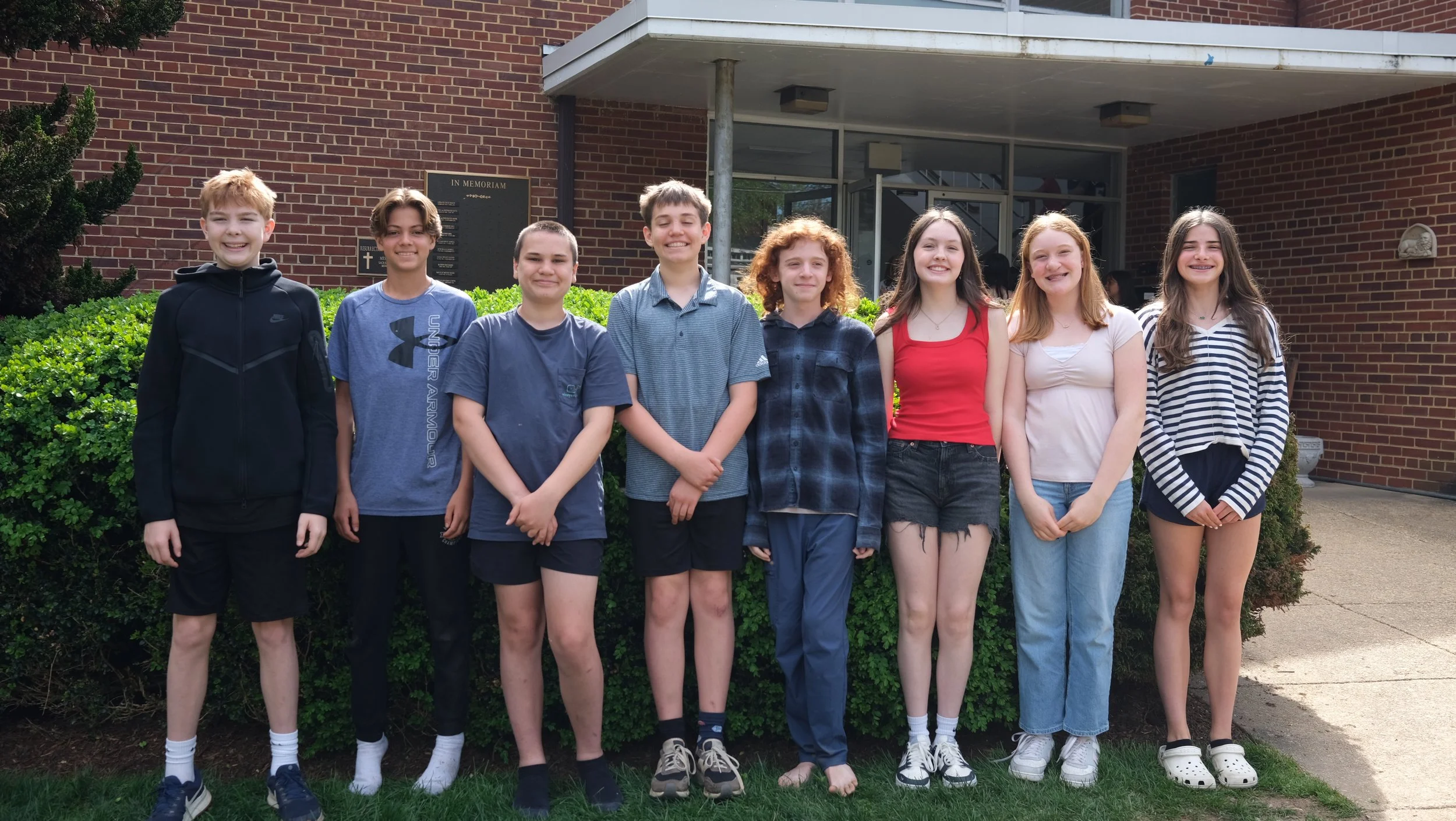
Welcome back to the Sounds of TVS, a podcast where you can hear stories of the Village School, directly from the voices of the learners. As the end of the school year quickly approaches, eight of our learners are preparing to graduate from the Village School. Before they leave, I sat down with them to ask them one simple question: How would you describe your time at TVS?
The Other AI: Why Imagination Matters
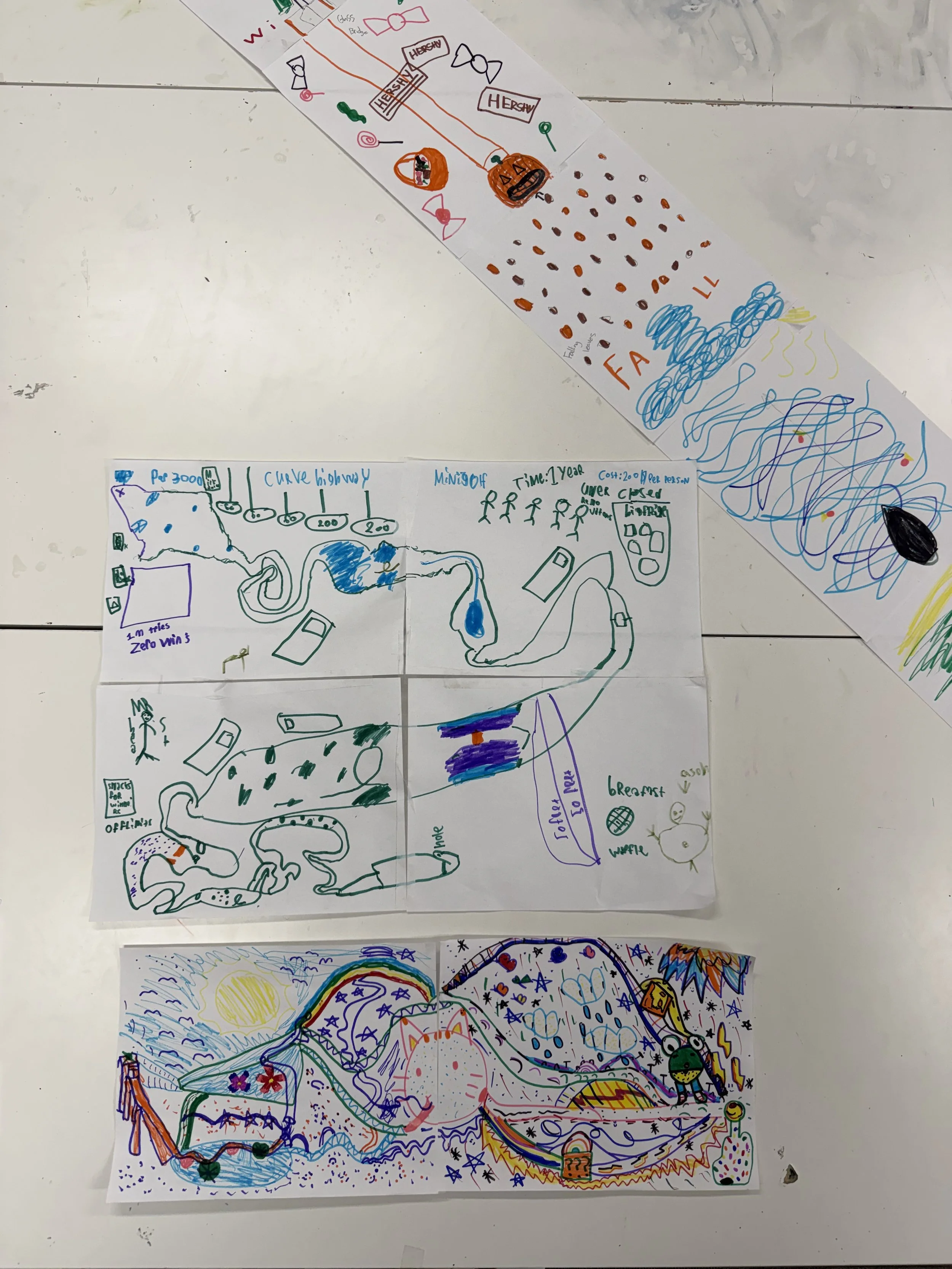
Are we, as adults, teaching young people that it is not just okay to use your imagination, but that it is important to the world? Is forcing children to learn according to a standardized test really giving space for their imagination? Are adults deciding what children should research or write about valuing their imagination?
Exploring North America as a Community in Spark
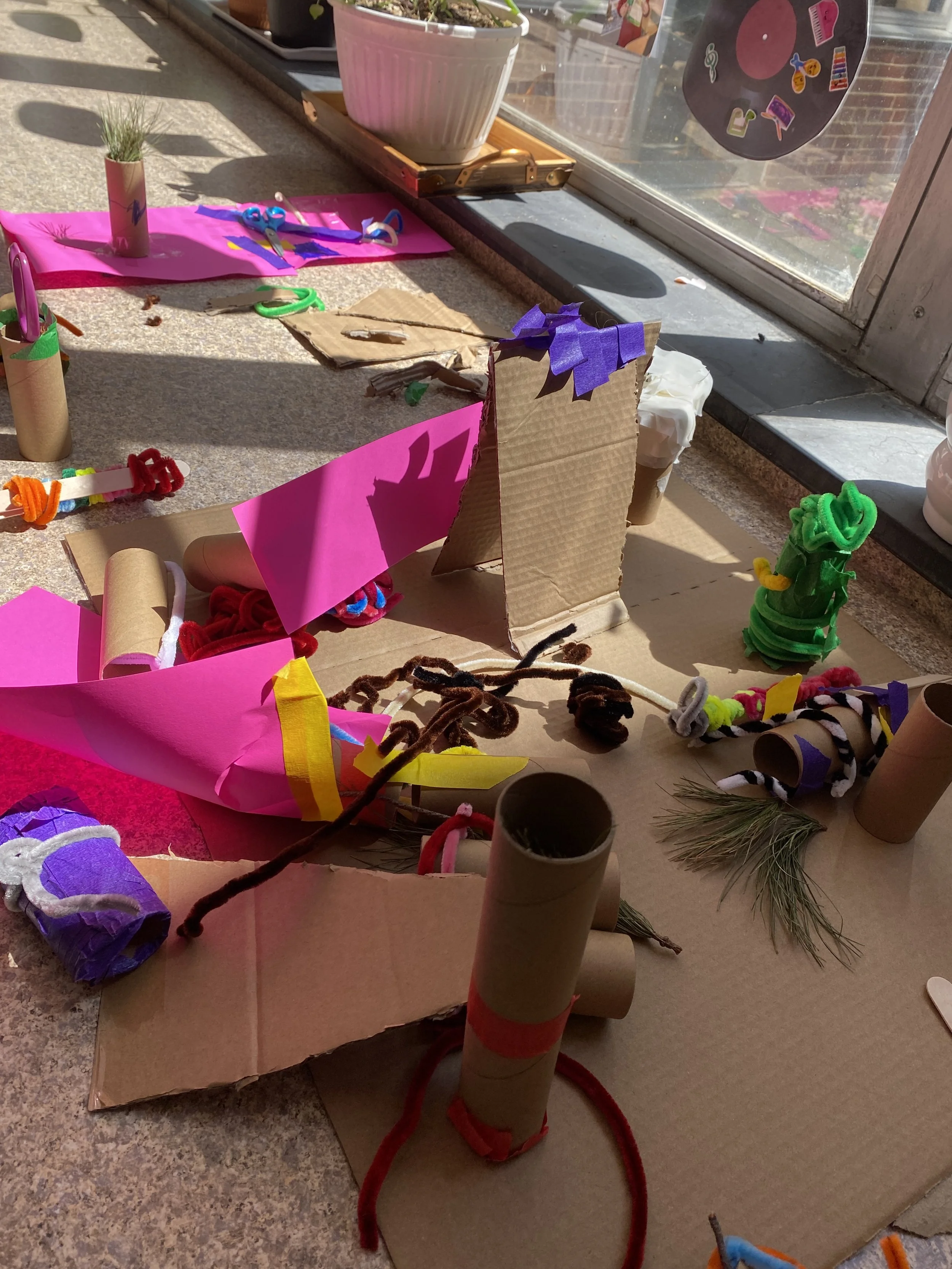
Using their creativity, learners designed homes, trees, animals, food, plants, and even microscopes, making their part of the community their own. As they collaborated, this purposeful activity not only highlighted their independence but also demonstrated their teamwork, as each learner considered how their creations connected with others' to build a thriving community.
Session 6 Sneak Peek
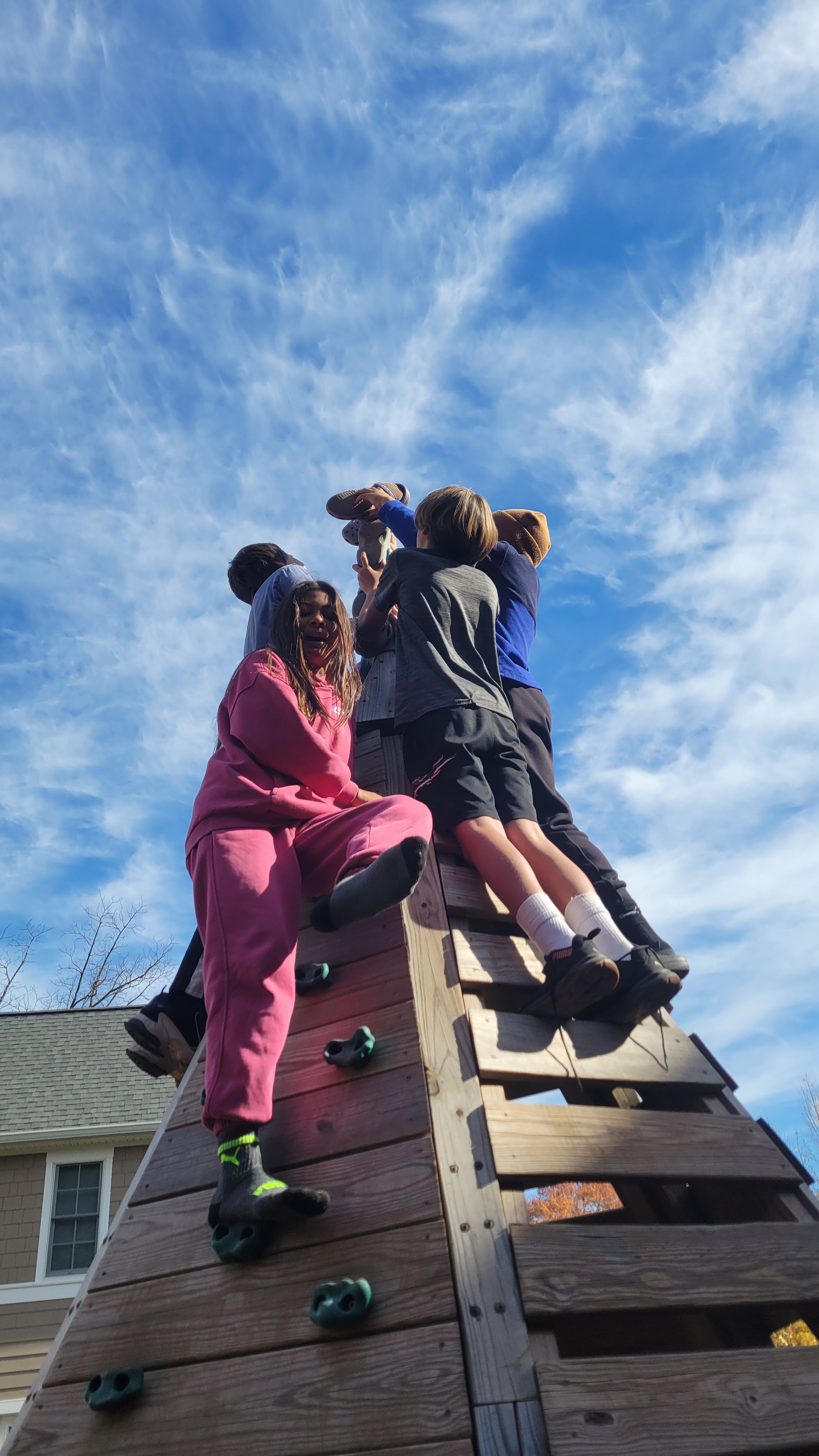
Check out what each studio has planned for Session 6 of the school year - from mini-golf to Shakespeare! It’s going to be a wonderful six weeks!
Adventure Speeches
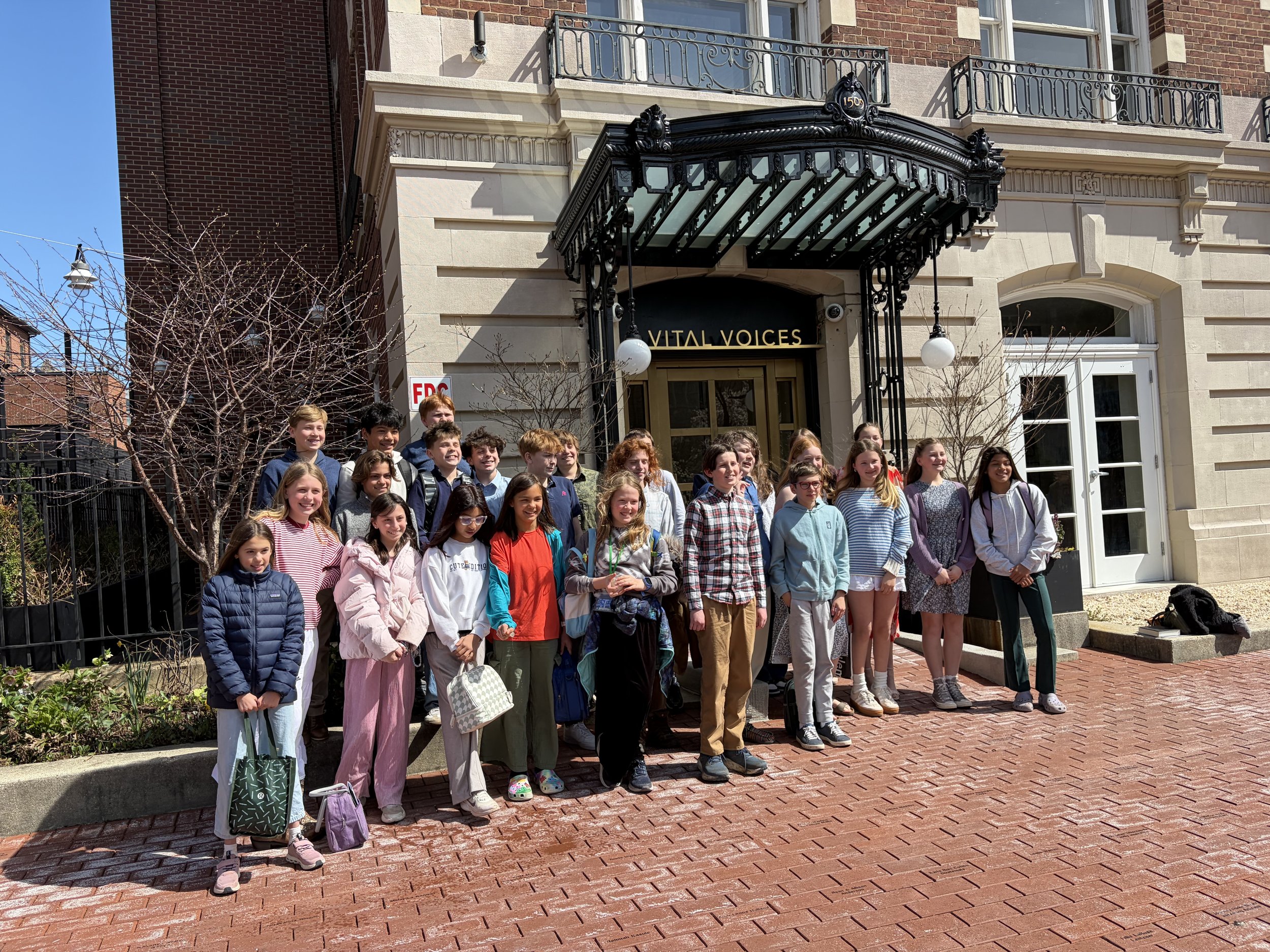
We used to think that we were just writing and hearing about other people’s topics, but now we think it’s much more than that. A lot of people didn’t know about these topics before. Now, after researching and listening, we understand how many people are actually affected by these problems.
What’s Your Dream World?
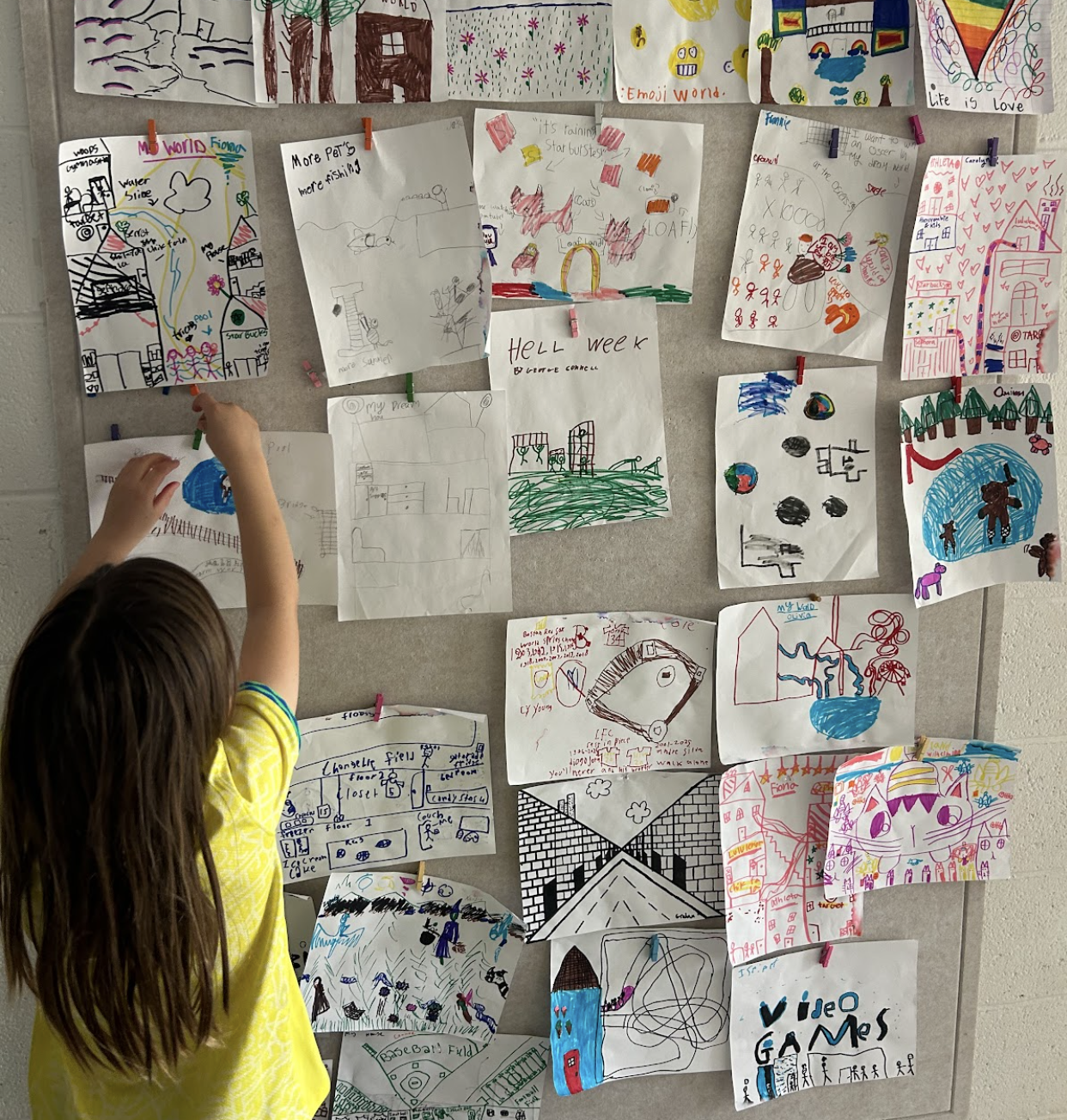
At the Village School, I feel my childlike self coming alive more and more. This environment invites wonder. It creates space for imagination. It gently pushes me to step outside the box of my practical, adult dreams and return to dreaming playfully.
The Responsibility Ruler: Measuring What Learners Can Do
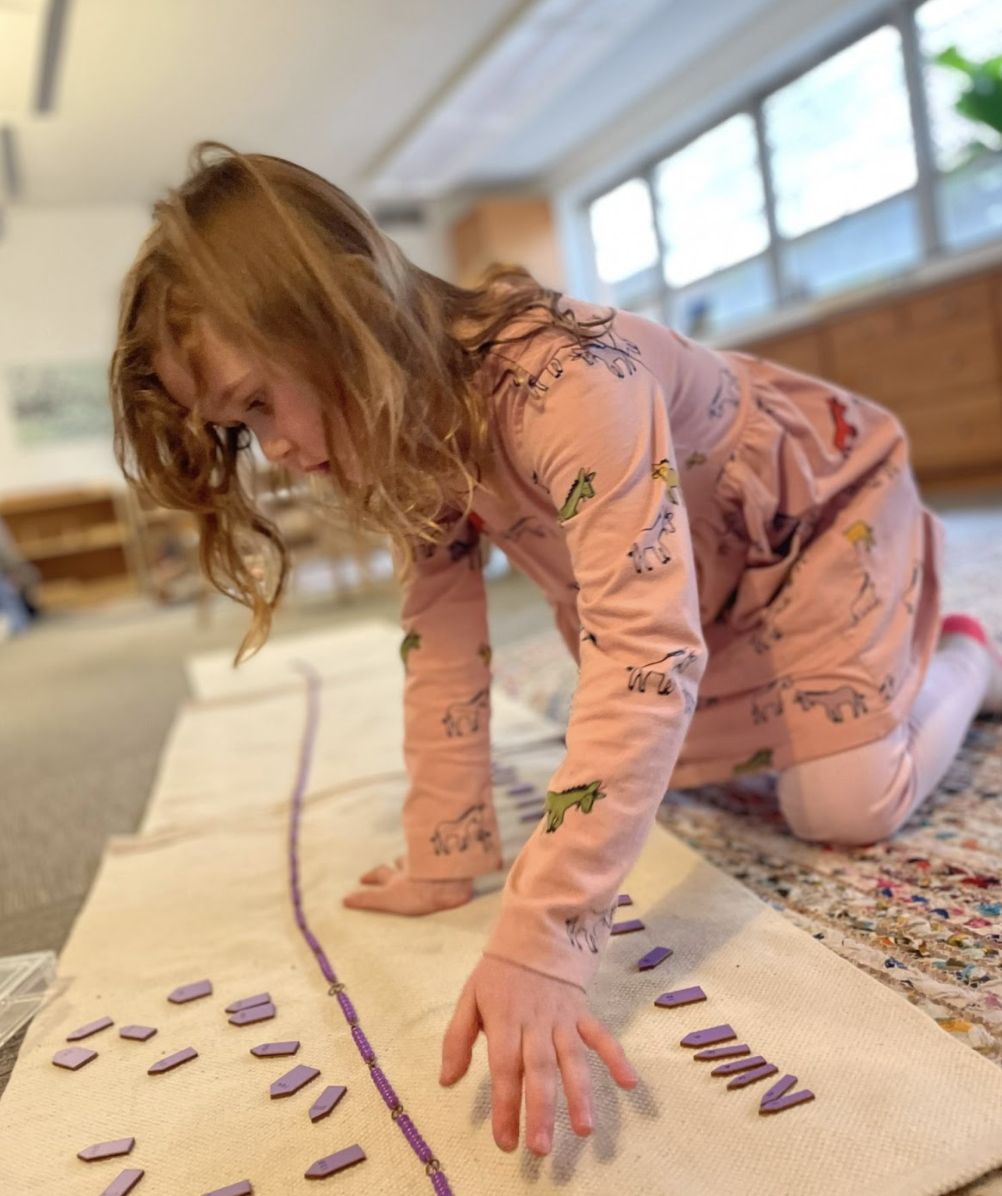
.Learners shared that independence doesn’t just mean working alone or with another learner. It means choosing challenging work, finishing your goals, being a leader, learning from mistakes, and continuing to try even when something feels hard. Many learners also pointed out that curiosity is an important part of independence. When they are curious, they start to wonder, ask questions, and explore new ideas. That curiosity helps them stay excited about learning.
The #1 Skill Generation Alpha Needs to Thrive: Self Direction
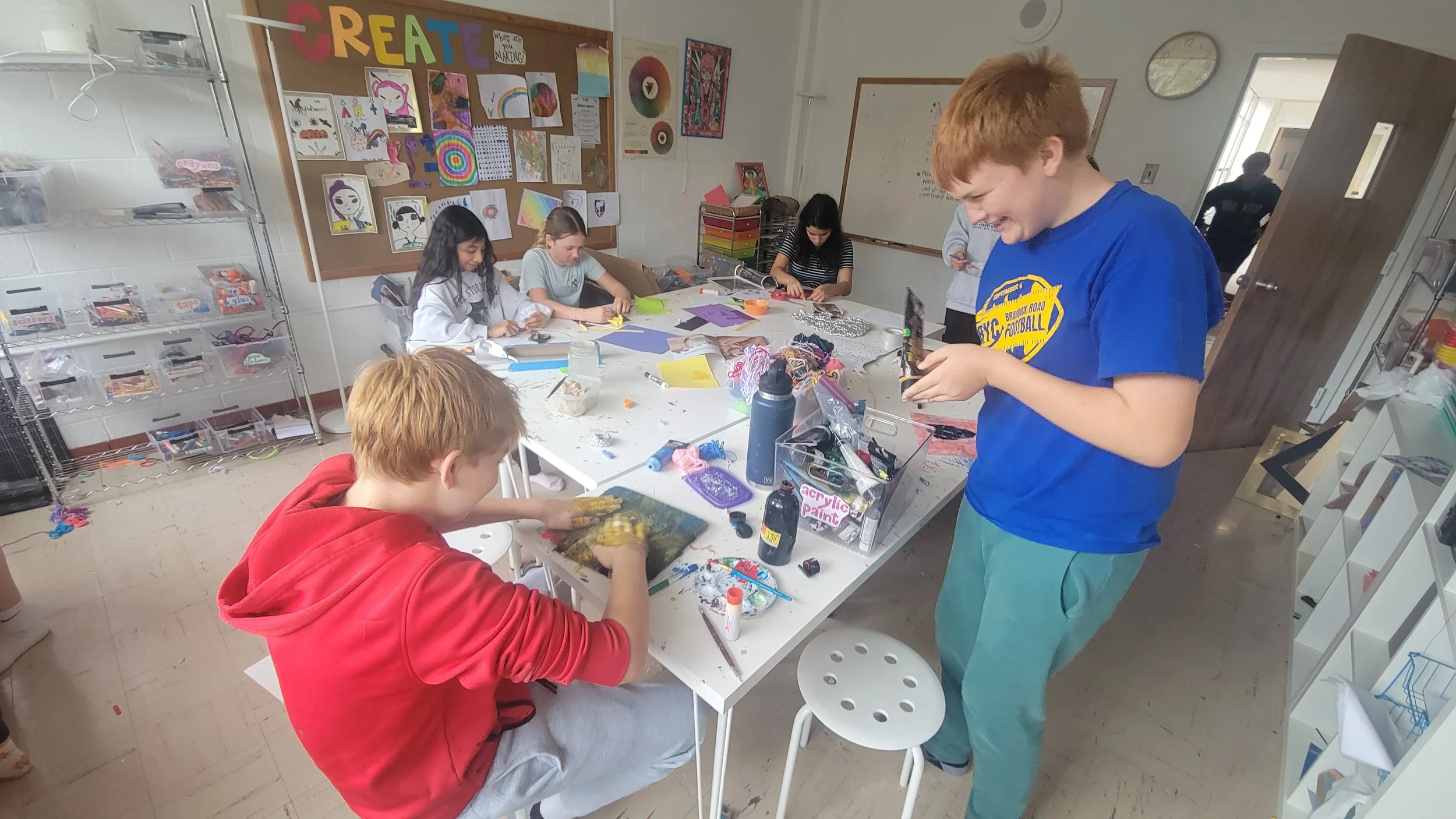
What does it mean to be a self-directed learner? We asked the learners themselves - and their answers were better than anything we could have come up with
On the Slopes of Growth: The Stress of Failure & Building Resilience
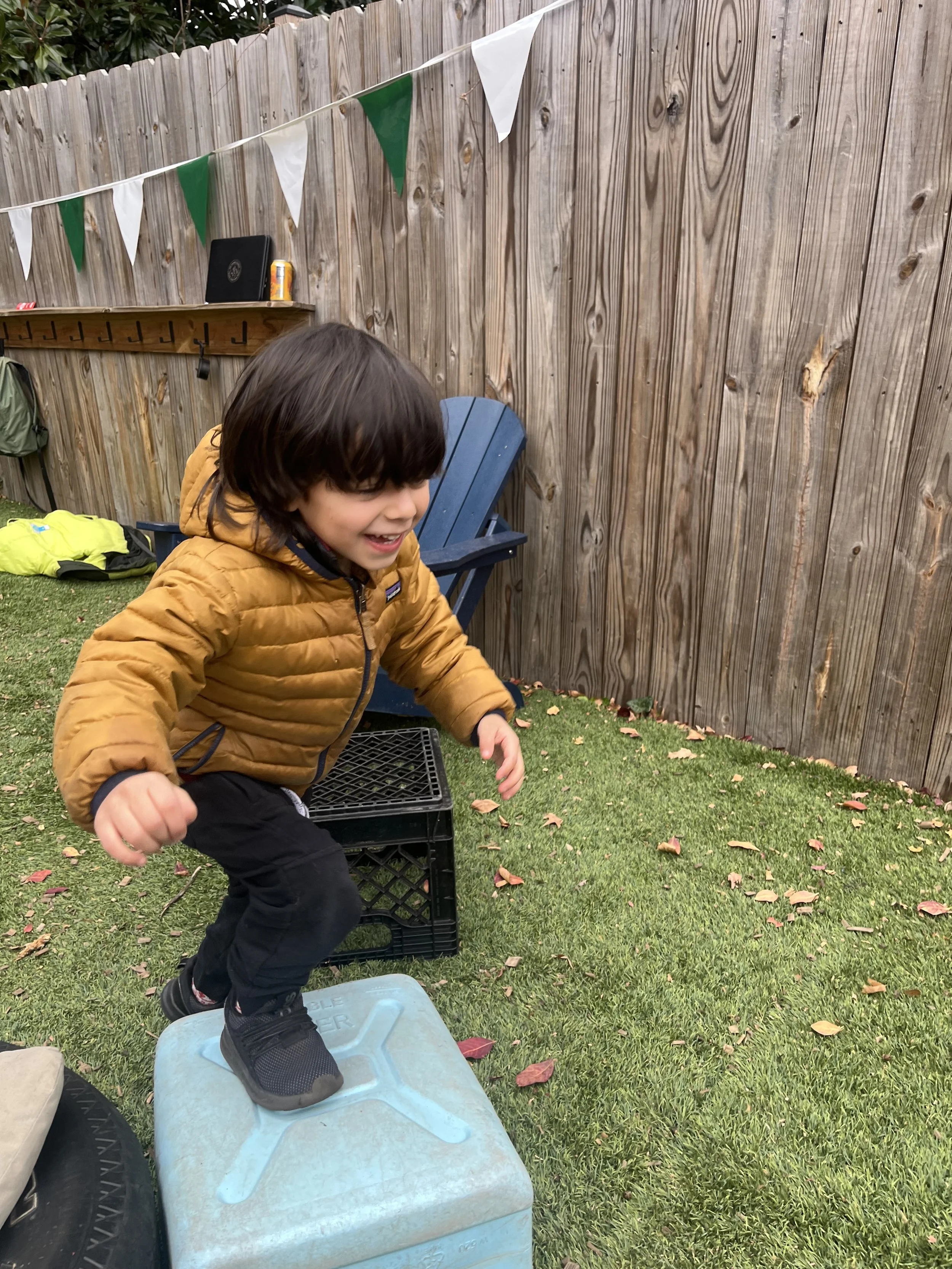
Just like skiing, learning and doing something new or challenging can feel wobbly and uncomfortable. There might be sideways knees and icy patches. There will be moments of doubt.
But as the Spark learner told me. Failing, and falling, is learning. And part of that learning is discovering you can get back up!
So let them wobble! Let them fall! Let them feel the nerves that come with trying something hard! And let them learn how to stand back up again. Because resilience is not built by avoiding the hill, but built on the way down.
Are our kids getting stupider?
A 2024 study found that IQ scores are still rising, but much more slowly than before: 1.2 IQ points per decade rather than the expected 3. So kids are getting smarter, but just barely. Hooray.
Session 5 Sneak Peek
This session TVS learners will step into the shoes of entrepreneurs, biologists, speechwriters, and make huge strides in their own journey as Trailblazers. Check out this session’s sneak peek!
What Happens When We Give Learners the Mic
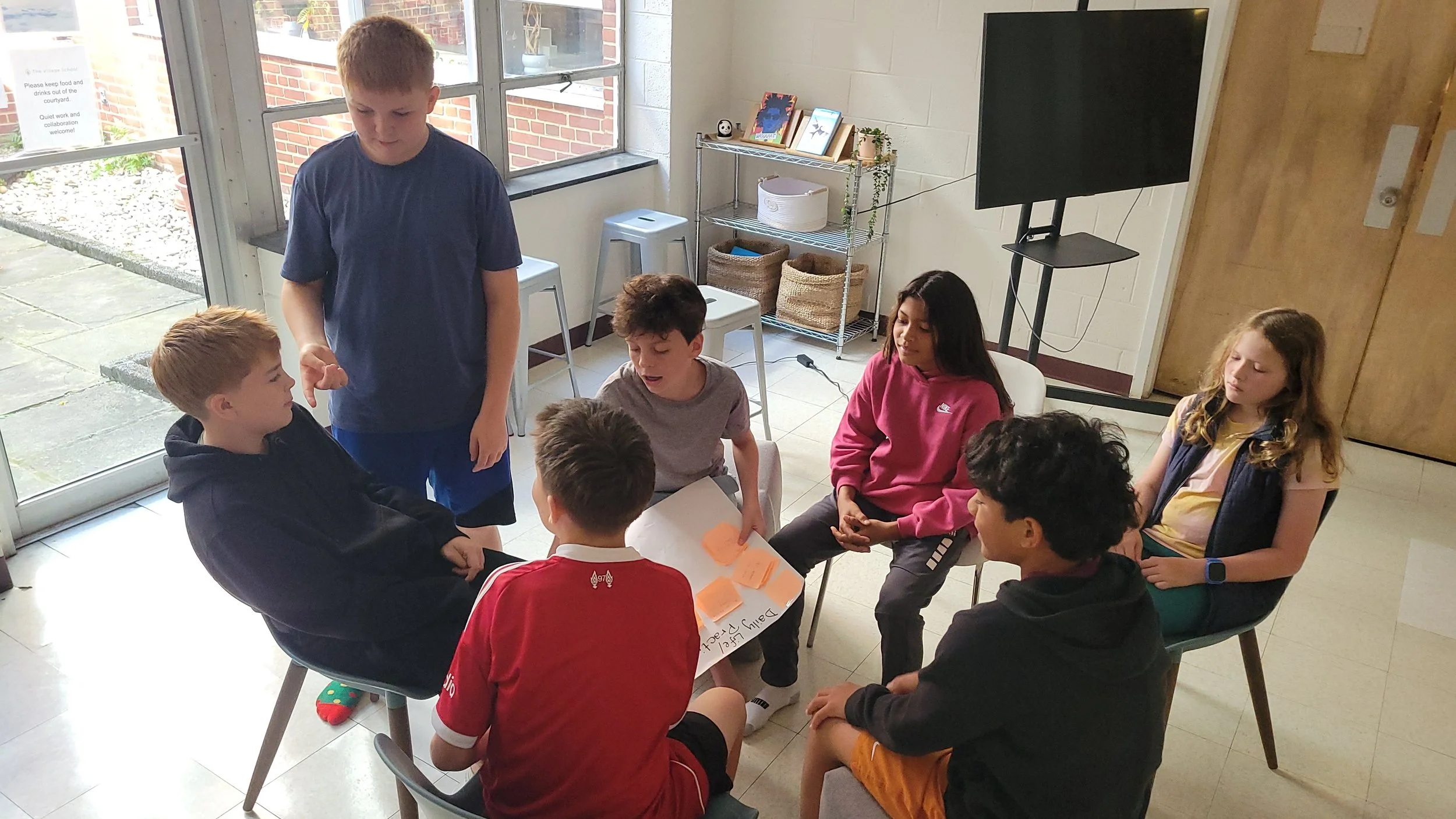
In a post earlier this year, I shared about how middle school learners are more capable than the world gives them credit for. Recently, I was reminded of this truth while attending several Adventure learner-led presentations. Something I did not do until several years into my career, Adventure learners embraced with enthusiasm, professionalism, and poise.