A New Chapter for TVS
When I worked in advertising, the gold standard for brand campaigns was Apple's "I'm a Mac, and I'm a PC" series of commercials. (Remember actually watching commercials?) Each 30-second spot opened on a young guy in jeans and a t-shirt introducing himself as a Mac. An older gentleman in a suit and tie introduces himself as a PC. The two then act out a brief vignette comparing their respective capabilities, with PC cast as formal, polite, and a little dull — overly concerned with work, slightly burdened by it. The genius was in what the ads never said. They never argued that a Mac wasn't a computer. Both characters were personal computers. Both did the same things. The entire argument was simply this: one path to the same destination is full of friction — and the other just works.
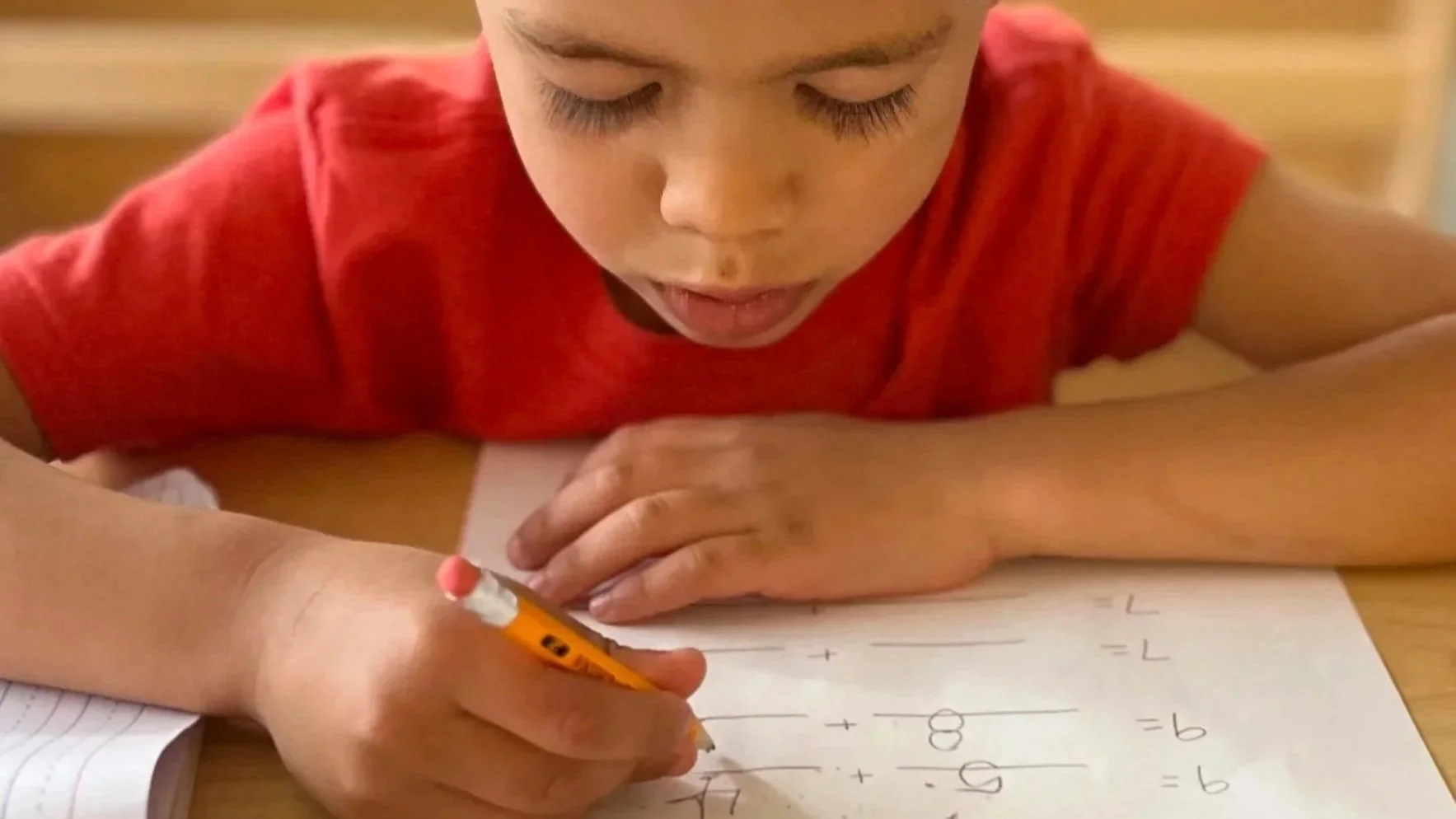
Between Elizabeth and me, we gave over 50 tours this admissions season. In each one, we found ourselves reprising the role of the Mac guy. In conversation after conversation, we encountered the same assumption: that there is a trade-off between "rigorous academics" and the TVS model — a model that honors childhood and each child's individual learning journey. Some families embraced that framing wholeheartedly. Others were more reluctant. They understood, intellectually, that TVS is built around the way children are actually wired to learn — resulting in learning that takes root and prepares a child not just for the next grade but for real life. And yet they felt uneasy without the familiar visual proof of academic rigor: worksheets, red pens, homework, tests, grades. The artifacts of “progress”. The receipts.
This idea of a trade off comes up across the board — with prospective families, current families, and, candidly, families who have chosen to leave TVS. The assumption that TVS is "light" on academics is one of the most persistent challenges we face. And increasingly, we've come to understand that we helped create it.
Before Apple launched "I'm a Mac, I'm a PC" — which the agency called "Switch" — they ran a different campaign: Think Different.“Here's to the crazy ones, the misfits, the rebels…” the commercials began. It was aimed squarely at creatives, artists, designers, illustrators who saw themselves as a little outside the mainstream. In the early days of TVS, we made a similar strategic choice. We told the story of choosing differently. We literally congratulated parents, in every admissions letter, for their “bravery” in taking an unconventional path. We leaned into play, character, and learner agency — and we deliberately stepped back from the word "academics," with all its connotations of rigidity, standardization, and performance metrics. It was the right call for a new school trying to find its footing in an established market. We needed to distinguish ourselves, and we did.
But that narrative of different obscured something important: better.
Just as a Mac and a PC both offer personal computing — one simply does it with less friction and more joy — TVS is no different from the school down the street in its commitment to academics. We just do academics in a way that actually works. A way that develops a whole person. A research- and evidence-based way of producing learning that lasts. As TVS grows, and as we look toward opening the high school — one we fully intend to position as a college-preparatory program — it is time to own that story.
The Village School does prioritize “rigorous academics”. We just define rigor the way the world outside school walls actually demands it: the ability to think critically, to create, to collaborate, to solve problems that don't have only one right answer and that maybe haven’t even been identified yet.
So what does this look like in practice? The academic rigor that has always existed at TVS is about to become a lot more visible — and we're adding a few meaningful enhancements to match. Our guides will begin providing direct, weekly instruction in foundational math skills, with Khan Academy supporting independent practice and self-pacing. Flex Fridays are becoming a regular school day. We're adding a writing lab in Discovery Studio. And we are making a school-wide commitment to making learning visible: individual portfolios documenting each learner's growth over time, alongside the journey reviews, exhibitions of learning, and Iowa test scores you already know.
It’s important to note, however, that none of this is new thinking. It is new storytelling. For years, we told half the story — the half that was unconventional, brave. That half is still true and will always be. But the other half of the story — the one about academic depth, about skills that compound, about learners who are genuinely prepared for whatever comes next — that half deserves to be told just as loudly.